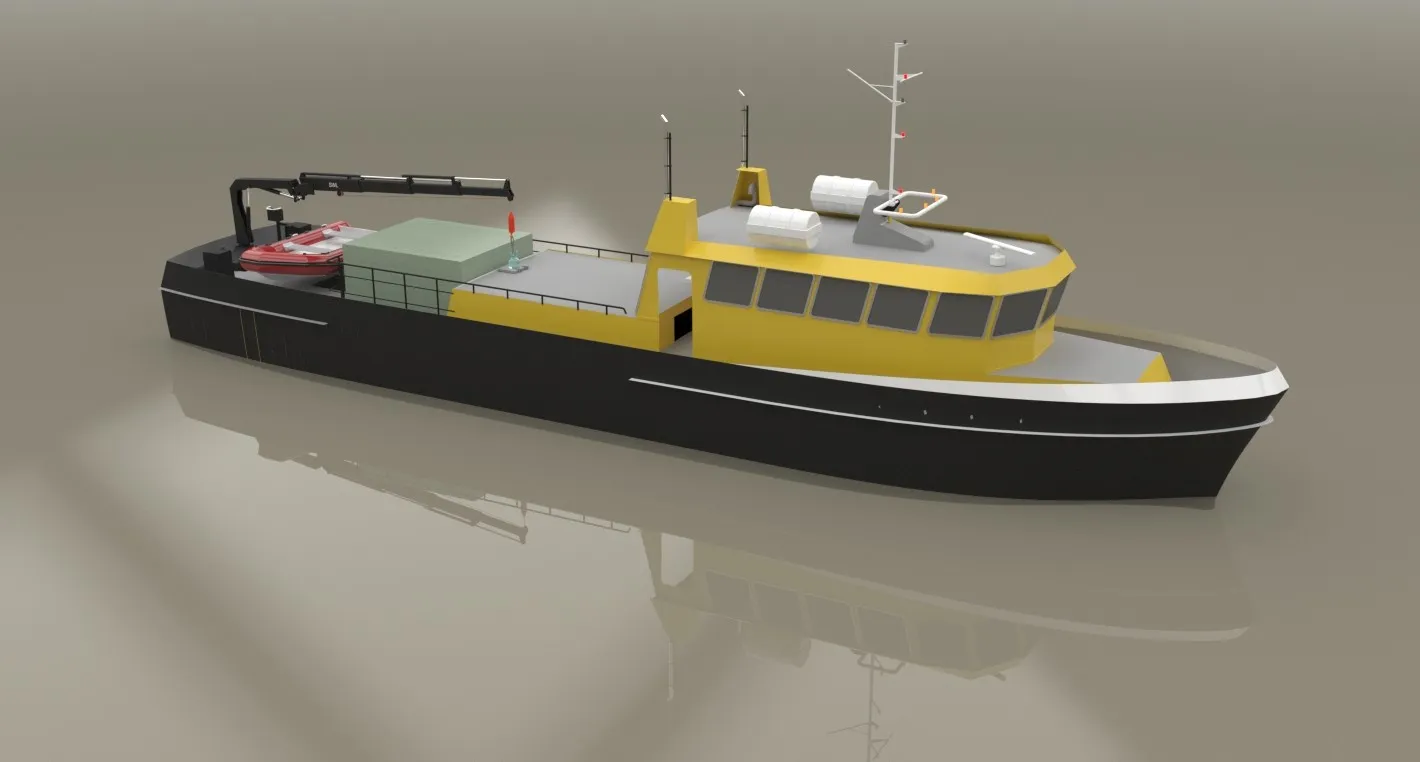
Lauwersoog, 31 March 2026 – A significant step towards fossil-free shipping on the Wadden Sea. On 31 March 2026, Rijkswaterstaat and Next Generation Shipyards signed a contract for a hydrogen pilot project involving the MS Krukel. NG Shipyards will now begin the detailed engineering work required to prepare the vessel for conversion to hydrogen.
The Krukel is operated by the Rijksrederij and used by the Wadden Unit for surveillance and enforcement, monitoring and research in the Wadden Sea. The hydrogen pilot project will explore how hydrogen can be safely and effectively used on board an existing vessel. Following its conversion, the Krukel is expected to become the first certified zero-emission seagoing vessel to operate on the Wadden Sea.
From concept to engineering
The signing of the contract marks the culmination of an intensive preparatory phase. The conceptual design, schedule and budget have all been assessed positively. There is also a prospect of obtaining the necessary permit for hydrogen refuelling in Lauwersoog.
The first phase of the project will now focus on further developing the design and completing the engineering work. For NG Shipyards, this means translating the concept for the Krukel into a practical and workable design for the hydrogen pilot project. The engineering phase will provide the foundation for the next stage: the actual conversion of the vessel.
Gaining practical experience with hydrogen
Rijkswaterstaat is carrying out the pilot as part of the Rijksrederij Fleet Renewal Programme. One of the reasons for the project is the limited practical experience with using hydrogen on board vessels. The Krukel will provide valuable hands-on experience across the entire hydrogen chain, from design and construction to operation and refuelling.
The project will also generate knowledge about engineering requirements, regulations, crew requirements, vessel performance, costs and the permitting process. According to Rijkswaterstaat, these insights will help reduce the risks associated with the ongoing fleet renewal programme and contribute to the wider adoption of hydrogen in the maritime sector.
Collaboration within Green Shipping Wadden Sea
The pilot forms part of the Green Shipping Wadden Sea programme, led by the Federation of the Metal and Electrical Engineering Industries (FME). The programme is co-funded by the Wadden Fund and the Wadden Area Investment Framework, in which the province of Groningen participates.
The technical implementation is being carried out by a consortium of innovative maritime organisations. In addition to Next Generation Shipyards, Marine Service Noord is also involved. Within the consortium, NG Shipyards focuses on the construction and maintenance of sustainable workboats, while Marine Service Noord specialises in hydrogen storage, distribution and safety systems.
A first step towards the actual conversion
The signing of the contract marks an important first milestone. The next phase will focus on detailed engineering and further development of the design. A final decision on the actual conversion of the Krukel is expected in September 2026.
This brings the realisation of a zero-emission vessel for the Wadden Sea one step closer.
For Next Generation Shipyards, the project represents another step forward in the development of sustainable workboats. The pilot in Lauwersoog is intended not only to result in a fossil-free vessel, but also to generate valuable practical knowledge that can help accelerate the transition to a more sustainable maritime sector.